Week 5 - Ego Networks
Dad Joke
Bro, can you pass me that leaflet?
Brochure.
Self Reflections and feedback
- Make sure to get them in
- Overall, things are going well
- Please give feedback on the Google Form
Housekeeping
- Videos + readings on centrality and power
- How do we measure who is important and influential?
- AI assignment next week
- Thursday
- Ego network activity
- More co-working time
Debugging
Strategies when R code doesn’t work:
- Simplify
- print()
- ChatGPT
- Google!
- Friends
Homework Review
Review
- What is an “ego network”?
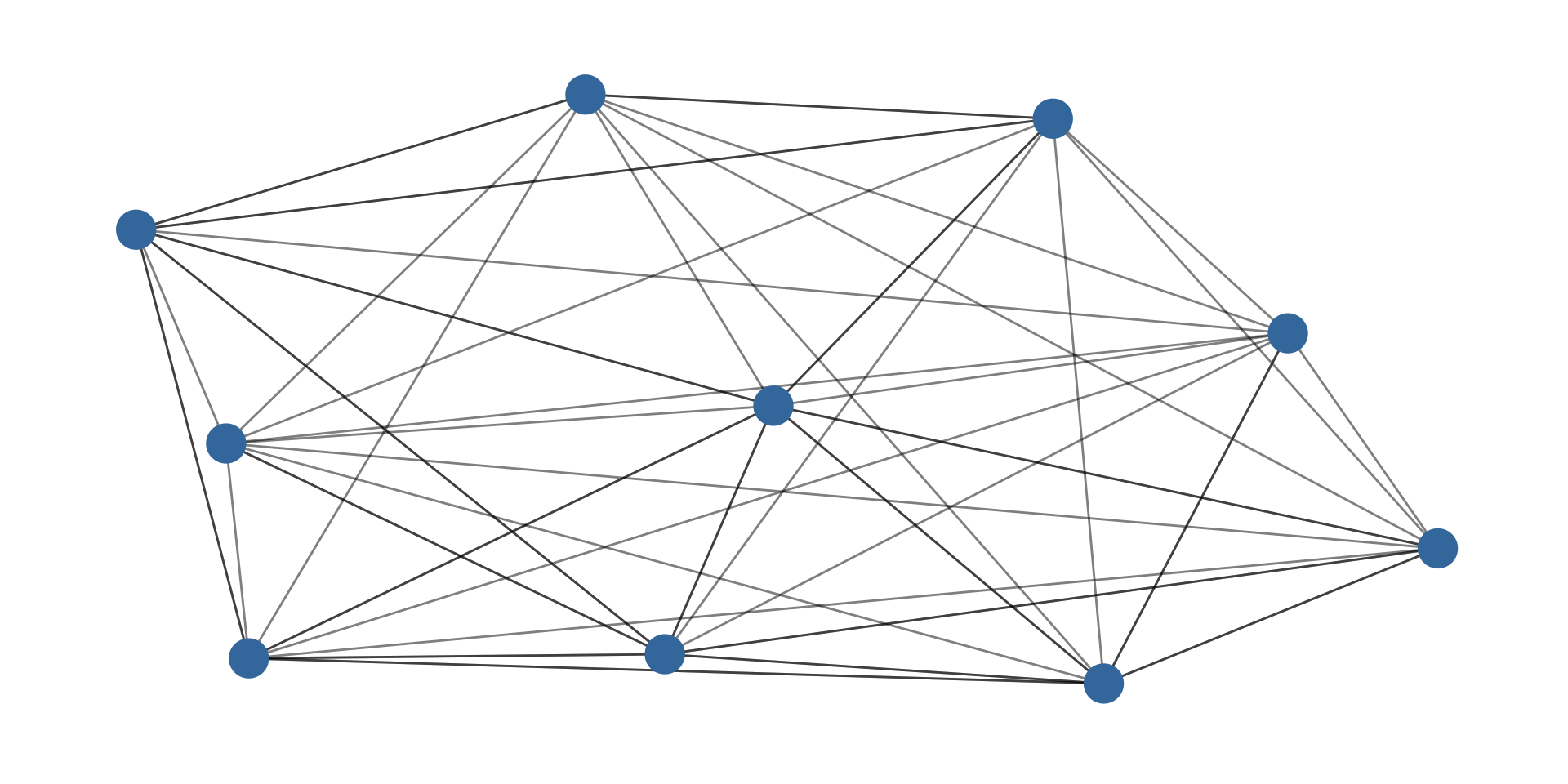
- What are the benefits of having a dense ego network?
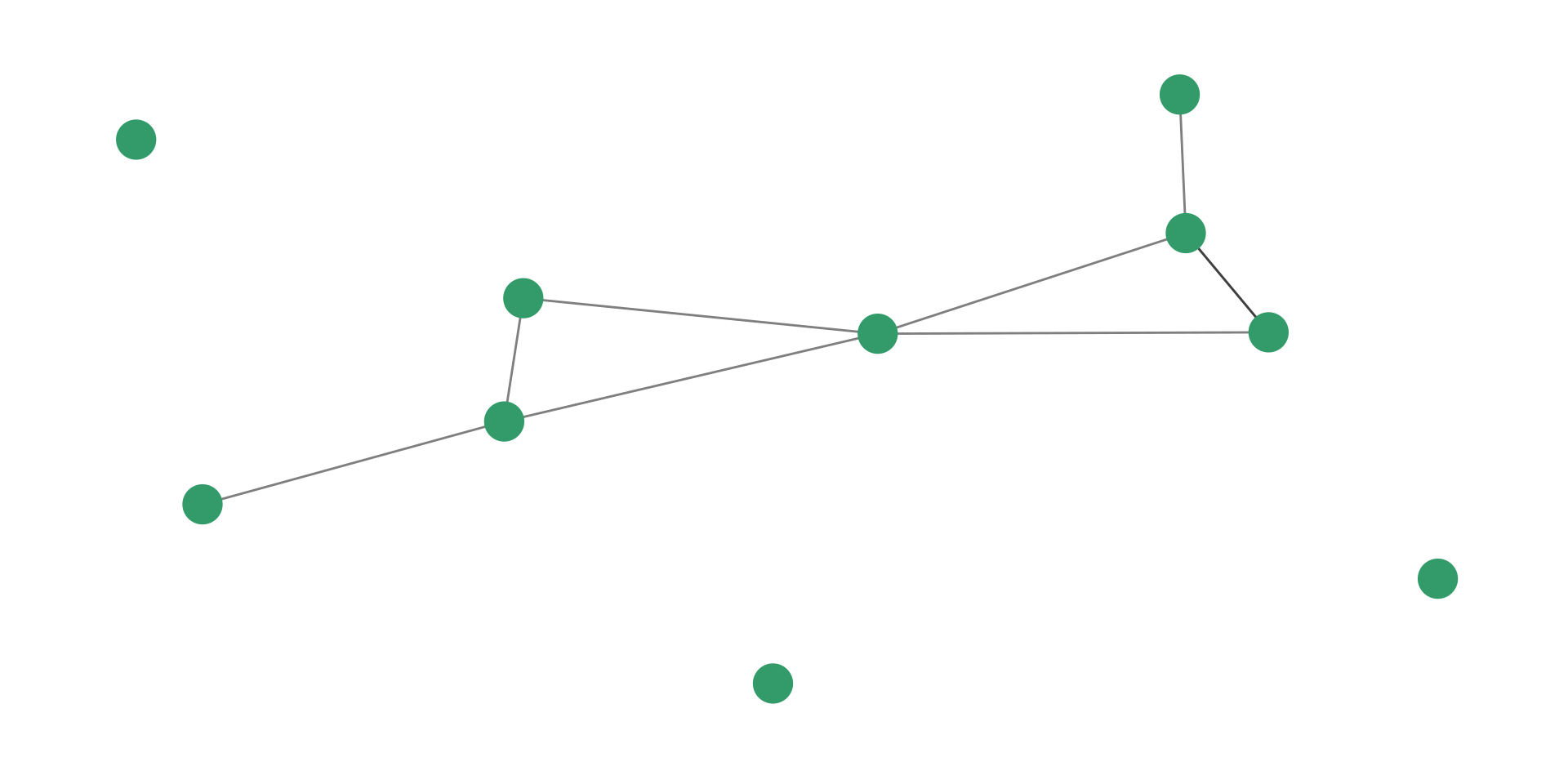
- What are the benefits of having a sparse ego network?
Dense Network Example
Sparse Network Example
Review
- What are some reasons that you think friendship can be asymmetrical?
- Is there such thing as a “true” social network? How could we find it out?
- What are some ways that our perceptions of a network could influence our behaviors?
Break Time
Review
- What is the difference between a potential network, an activated network, and a mobilized network?
- Why might SES be related to which networks are activated under job loss threat?
Discussion Questions
- What are the consequences of relying on self-reported network data when people may misunderstand who is actually part of their support network?
- Why might personal network sizes differ based on race?
- If dense and family-centered social networks are typically the foundation of most social networks, are social networks naturally structured to limit the spread of new ideas and social change?
Summary
Thursday class
Ego Network Activity
What do our ego networks look like?
- From time to time, most people discuss important matters with other people. Looking back over the last 6 months, who are the people with whom you discussed matters important to you?
Making Connections
- Make an edgelist for each connection, with tie strength of:
- Total strangers: 0
- Especially close: 2
- In between: 1
Write attributes of your connections to a node attribute file
- Sex
- Education (years of education)
- Race
- Age
- Kin or non-kin (are they related to you?)
Calculate your statistics
- Network size
- Kin network size
- Non-kin network size
- Density
- Age heterogeneity
- Education heterogeneity
- Race heterogeneity
- Sex heterogeneity (proportion in majority)
Importing and visualizing in R
- Remember
graph_from_data_frame()